
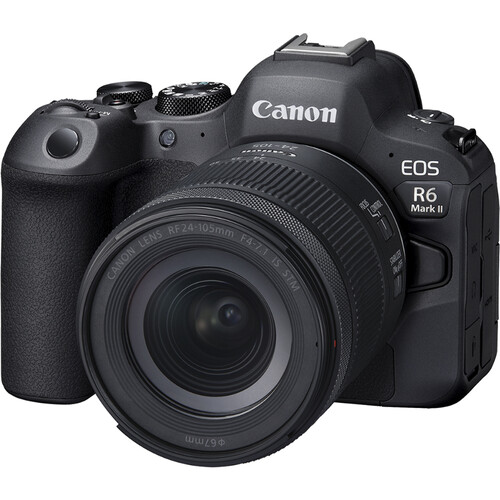
Canon EOS R6 Mark II
With those priorities in mind, Canon’s EOS R6 Mark II stands out as a camera built for portability and ease of use, while still offering strong low‑light performance for fleeting golden hour moments.
 Pros: Delivers very good 14 stops of dynamic range. Strong ISO up to 12,800 for handheld twilight or blue hour shots, solid 8-Stop IBIS down to 1/4 seconds, ease to use in-camera focus bracketing, built with environmental sealing for reliability in variable weather, and lowest weight by almost by ~200g.
⚠️ Cons: 24MP full-frame sensor limits cropping flexibility for very large fine-art prints, dynamic range isn’t class-leading, limited third-party autofocus RF lenses, reviewer rate the R6 II as “average” for landscape photography compared to higher-resolution alternatives.
✨ Key Takeaways: A lightweight, versatile, and reliable camera for landscape photographers who value portability, low-light capability, and focus stacking. It’s ideal for those who prioritize ease of use and field reliability over ultra-high resolution. This is a balanced system with strong set of RF lenses, versatile for stills and video.
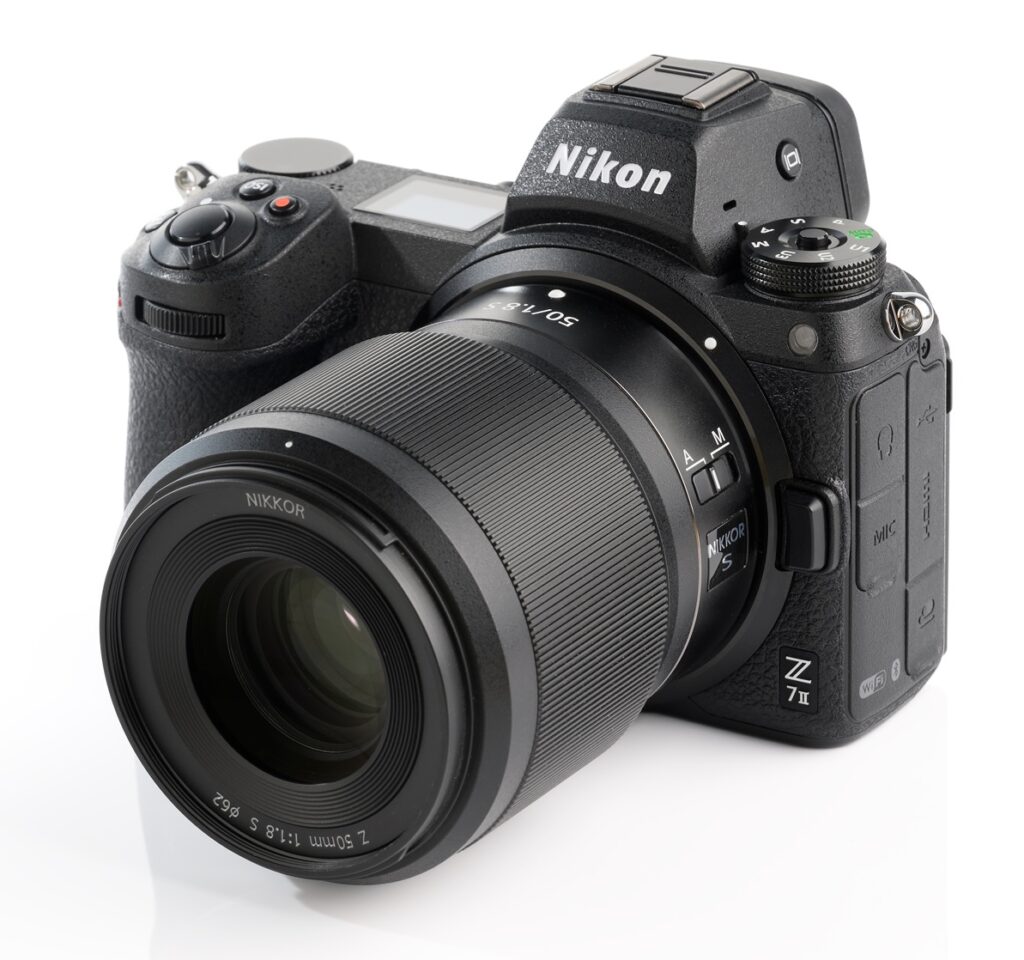
Nikon Z7 II
If Canon emphasizes portability, Nikon’s Z7 II shifts the focus toward resolution and tonal control, giving landscape photographers the ability to capture extraordinary detail and recover highlights with precision.
Pros: Ideal for golden and blue hour shooting, has exceptional highlight recover, built-in focus shift shooting mode makes tack sharp foreground to infinity photos, 45.7PM sensor captures extraordinary detail and cropping flexibility, strong dynamic range of ~14.7 stops to handle sunrise and sunset shoots, lightest camera in this group, full magnesium alloy body and weather sealing handle rain, mist, and dust, excellent Z-mount lens.
⚠️ Cons: ISO noise becomes noticeable above ISO 3200 limiting usefulness in handheld astrophotography, slower autofocus compared to others in this group, lens lineup is smaller than the Sony’s E-mount.
✨ Key Takeaways: Slightly lighter, superb highlight recovery at ISO 64, rugged reliability. A superb landscape camera, offering class-leading resolution, dynamic range at ISO 64, focus stacking, and rugged build quality. It’s lighter than DSLR alternatives and ideal for serious landscape photographers who value detail and tonal control.
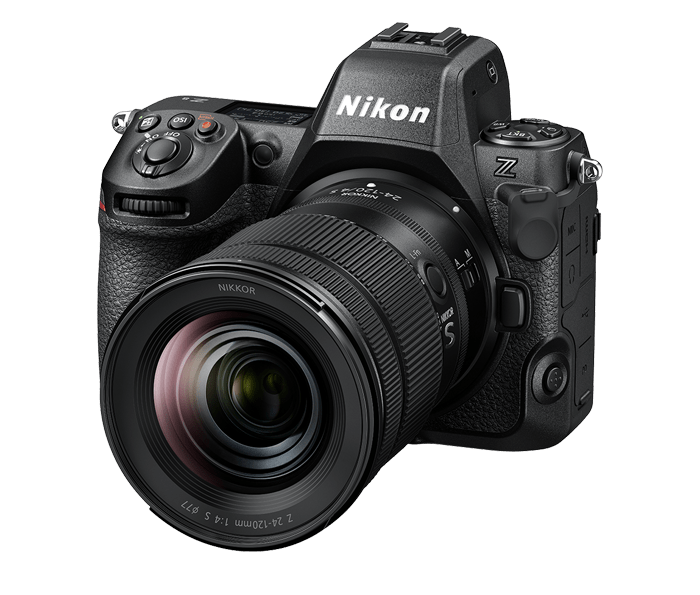
Nikon Z8
Building on the Z7 II’s strengths, the Nikon Z8 adds flagship speed and durability, appealing to those who want professional‑grade performance without stepping up to the bulk of the Z9.
Pros: The 45.7MP stacked CMOS sensor with base ISO 64, gives superb highlight recovery and shadow detail suitable for large prints and flexible cropping, built with rugged pro-level sealing that includes a sensor shield, with dynamic range reaching ~14.5 stop to ensure smooth tonal transitions, focus shift shooting mode is ideal for complex landscapes with deep depth of field needs.
⚠️ Cons: Weight is about ~200 grams heavier than the other mirrorless cameras listed, significant storage and processing requirements, slower workflow for casual shooters, more expensive than the Z7 II.
✨ Key Takeaways: Flagship performance in mirrorless form, heavier but faster. It is a professional-grade landscape camera, excelling in dynamic range, focus stacking, weather sealing, and image detail. Its sensor shield is a major advantage for outdoor shooters who frequently change lenses in dusty or wet environments.
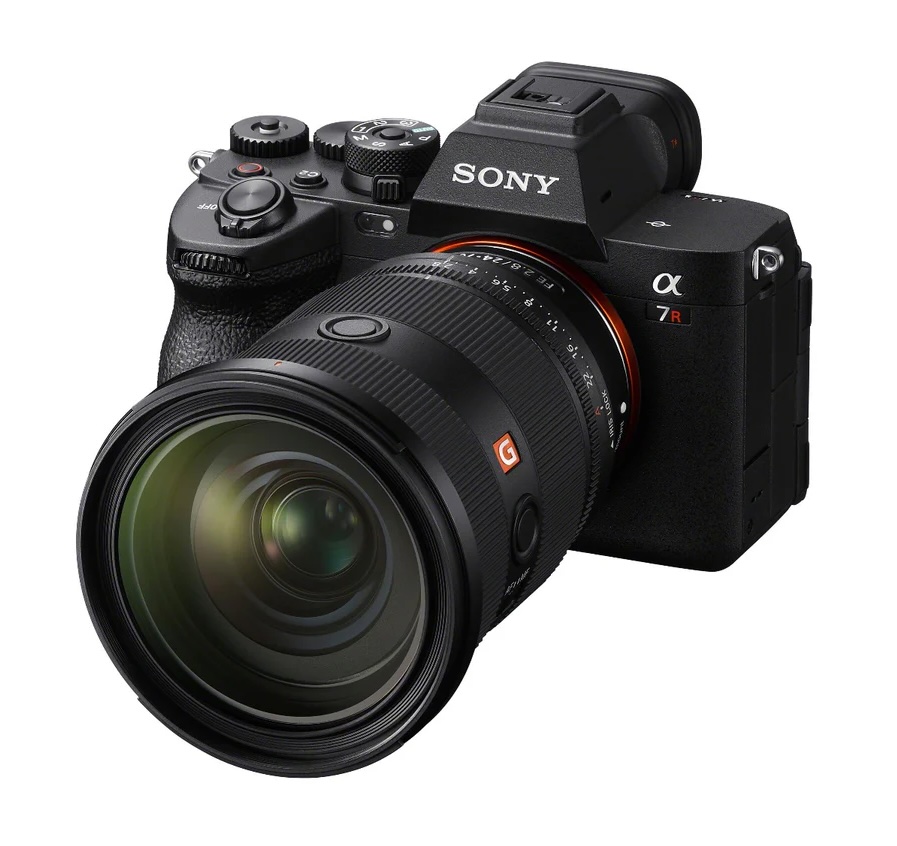
Sony a7R V
While Nikon’s Z8 delivers speed and ruggedness, Sony’s a7R V enters the conversation with unmatched resolution and native focus stacking, making it a compelling choice for photographers chasing fine detail in fleeting light.
Pros: Strong handheld shooting capable in dim conditions without blurring, ideal for twilight, night skies, and blue hour scenes, only camera with native focus stacking, best noise handling for R series, 61MP sensor is the largest of the full size sensor cameras, 14.8 stops dynamic range to handle sunrise/sunset shots, sensor cover glass, robust weather sealing, and widest selection of Zeiss, G Master, and Sigma Art lenses.
 Cons: Heavier than the Nikon Z7 II and older Sony a7R models, Sony a7S series have better low-light, and cost is higher than the Nikon D850, Nikon Z7 II, and Canon R5 II.
 Key Takeaways: Best all-around choice for resolution, stabilization, native focus stacking, and lens variety. Excelling in low-light shooting, focus stacking, and weather resistance. Its high resolution and stabilization make it perfect for capturing fine detail in golden and blue hour scenes.
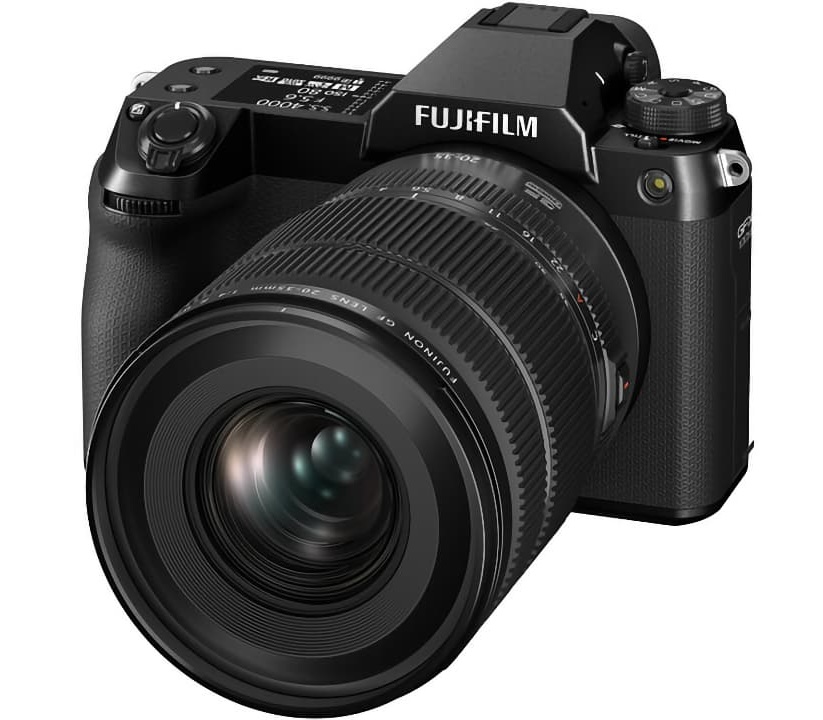
Fujifilm GFX100S II
Sony pushes full‑frame sensors to their limits, but Fujifilm’s GFX100S II takes things further with medium‑format power, designed for ultimate tonal depth and gallery‑sized prints.
Pros: Superb choice for landscape photography thanks to its 102MP medium-format sensor, wide dynamic range, improved 8-stop IBIS, in-camera focus stacking makes it particularly useful for landscapes with intricate depth, and robust weather sealing, cleaner files at higher ISOs, excelling with twilight, blue hour, and long-exposure landscapes.
⚠️ Cons: Heaver than full-frame cameras, slower autofocusing compared to full-frame cameras, significant storage, slower processing power, slower workflow for casual shooters, heavier and less lens options, premium cost compared to full-frame alternatives.
✨ Key Takeaways: This is a landscape powerhouse, excelling in resolution, dynamic range, focus stacking, and weather resistance. It’s best for photographers who prioritize ultimate image quality and tonal depth over portability and cost.
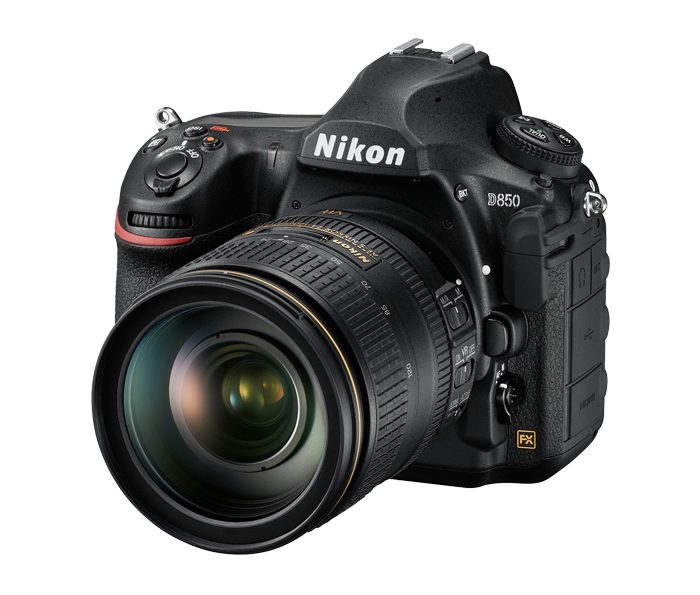
Nikon D850 (DSLR)
And finally, no comparison would be complete without the Nikon D850—a DSLR legend that continues to prove its worth in landscapes, even as mirrorless systems dominate the field.
Pros: Widely regarded as one of the best DSLRs ever made for landscape photography, idea for landscapes with deep foreground and background elements, offers exceptional image quality for large fine-art prints and cropping flexibility, ISO 64 base for dynamic range exceeds 14 stops, in-camera focus stacking, suitable for night shooting, robust weather sealing, and illuminated controls for low-light shooting
⚠️ Cons: At least ~200 grams heavier than the mirrorless cameras, lacks electronic viewfinder previews, noticeable noise above ISO 6400, and a heavier and older lenses lineup.
✨ Key Takeaways: Proven DSLR classic, still one of the best for landscapes, it remains a legendary landscape camera, excelling in dynamic range, focus stacking, weather sealing, and image detail. It is best suited for photographers who prioritize tripod-based, planned landscape work and don’t mind the extra weight.



One Response